Website Design
Do Small Businesses Still Need a Website in 2026?
Social media is free, AI can find your business, and Google Business Profiles do a lot of the work. So do you still need a website? Here's the honest answer.
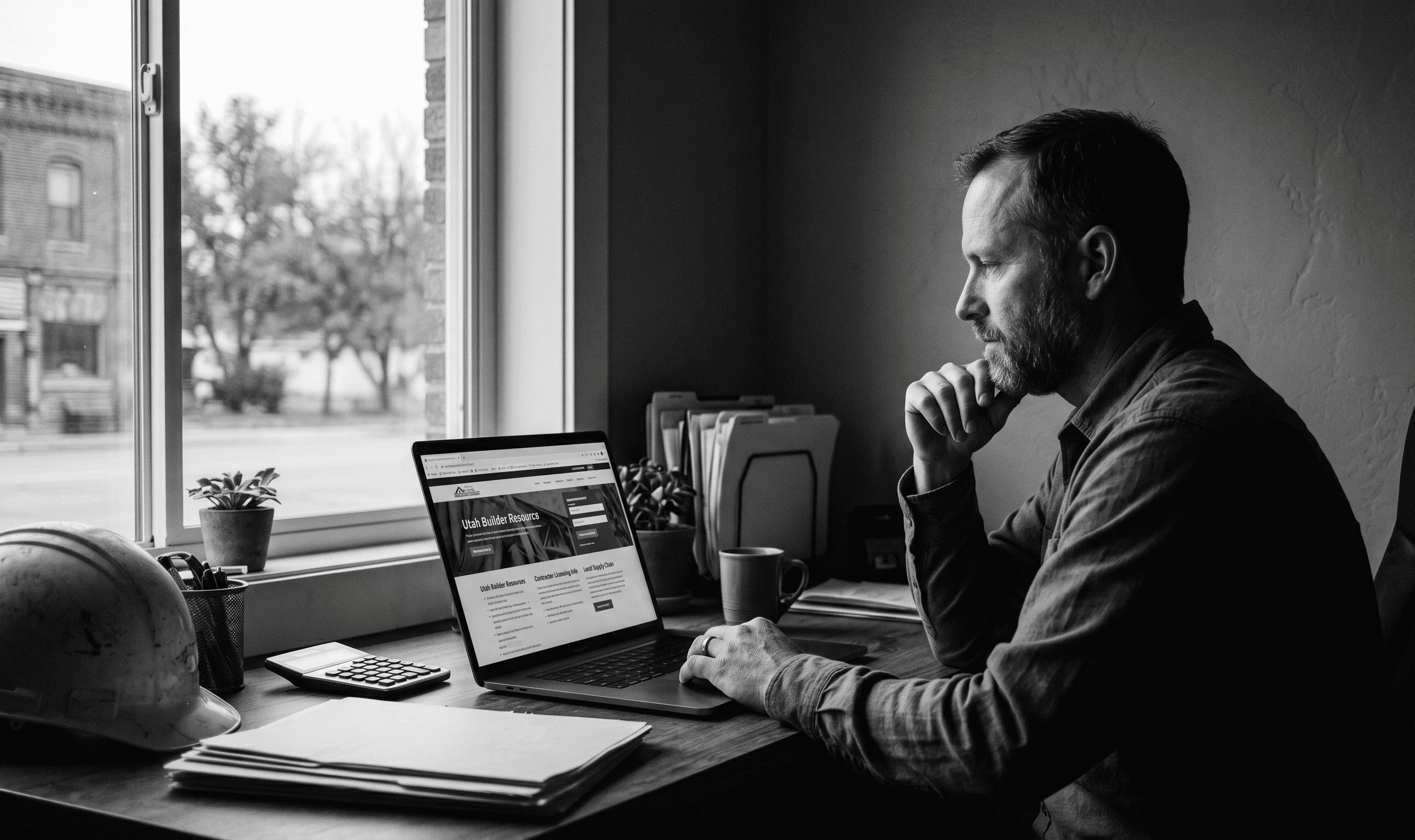
It's a fair question. You've got a Google Business Profile that shows up in local search. You've got an Instagram page with real followers. AI tools like ChatGPT and Google's AI Overviews are pulling business information directly from the web without anyone clicking through to a website. So what's the point?
The short answer is yes, you still need a website. But the reasons have shifted, and it's worth understanding why because a bad website isn't much better than no website at all.
What Social Media and GBP Can't Do
Social platforms are rented land. Your Instagram account, your Facebook page, your TikTok presence none of it belongs to you. The algorithm changes, the platform shifts its priorities, or your account gets flagged, and your audience disappears overnight. It has happened to businesses with tens of thousands of followers, and it will keep happening.
Your Google Business Profile is powerful for local visibility, but it's limited. You can't control the full narrative, you can't publish long-form content, and you can't capture leads directly. It's a listing, not a home base.
A website is the one place online that you fully own and control.
What AI Overviews and ChatGPT Actually Pull From
Here's something most small business owners don't realize: when AI tools surface information about your business, they're largely pulling from your website. Your about page, your service descriptions, your blog posts that's the content that trains AI systems to understand what you do, who you serve, and why you're credible.
Businesses without a website, or with a thin one-page site, are invisible to these systems or represented poorly. As AI-driven search becomes more dominant, having a well-structured website with real content is becoming more important, not less.
Where a Website Still Wins
It's your best conversion tool. Social media builds awareness. Your website is where people go when they're actually ready to buy, book, or reach out. A well-designed site with clear calls to action converts that interest into real business in a way no social profile can.
It builds credibility. Right or wrong, a lot of people still judge a business by its website. No website, or a site that looks like it hasn't been touched since 2017, raises questions about whether you're still operating and whether you take your business seriously.
It's where your content lives permanently. Blog posts, case studies, FAQs, service pages, this is content that compounds over time and keeps working for you long after you publish it. Social posts disappear in a feed within hours. A well-optimized page on your website can drive traffic for years.
It gives you data. Google Analytics, form submissions, etc. Your website tells you exactly who's visiting, what they're looking at, and where they're dropping off. Social platforms give you vanity metrics. Your website gives you information you can actually make decisions with.
The Caveat: A Bad Website Hurts You
If your site is slow, hard to navigate on mobile, or hasn't been updated in years, it can actually work against you. A prospect who lands on a broken or outdated site is more likely to leave and go to a competitor than to give you the benefit of the doubt.
This is why the question isn't really "do I need a website" -- it's "do I need a good website." And the answer to that is still yes.
What a Good Small Business Website Actually Needs
It doesn't have to be complicated. The basics that matter most:
Fast load time. If your site takes more than a few seconds to load on mobile, you're losing people before they even see it.
Clear service and location information. People need to know immediately what you do, where you do it, and how to get in touch. If that's buried or unclear, they leave.
A reason to trust you. Reviews, case studies, photos of real work, a real about page, something that signals there are real people behind the business.
A way to contact you or take action. A contact form, a booking link, a phone number that's easy to find. Make it easy to say yes.
Content that helps you get found. Even a handful of well-written service pages and a few blog posts can make a significant difference in how and whether you show up in search.
The Bottom Line
Social media, AI, and Google Business Profiles are all valuable tools. But none of them replace a website and they work better when they have a real website behind them to point to.
In 2026, a good website isn't optional for a business that wants to grow. It's the foundation everything else is built on.
Thinking about building or rebuilding your site?
(RELATED SERVICE)


