SEO & GEO
What Is Schema Markup and Does Your Small Business Need It?
Schema markup helps search engines and AI tools understand your business. Here's what it is, why it matters in 2026, and what every small business should have set up.

If you've spent any time talking to a marketer about SEO recently, you've probably heard the phrase schema markup come up. Maybe you nodded along. Maybe you Googled it later. Either way, it sounds like one of those technical things that probably matters but probably isn't urgent.
In 2026, that's no longer true. Schema markup has gone from a nice-to-have for SEO nerds to one of the most direct ways to influence how Google, ChatGPT, Perplexity, and every other AI search tool understands your business. If you're not using it, you're making the algorithms guess. And they don't always guess in your favor.
Here's what it actually is, why it matters now, and what every small business should have set up.
What Schema Markup Actually Is
Schema markup is a small piece of code that lives behind the scenes on your website. You don't see it. Your customers don't see it. But search engines and AI tools read it, and it tells them exactly what your content is and what it means.
Without schema, search engines have to guess. They look at your page and try to figure out, is this a product? A service? A blog post? A business with a physical address? Schema removes the guesswork. It says, in a language Google understands, "this is a business called AdVantage Marketing, here's the address, here's the phone number, here are the services, here are the reviews."
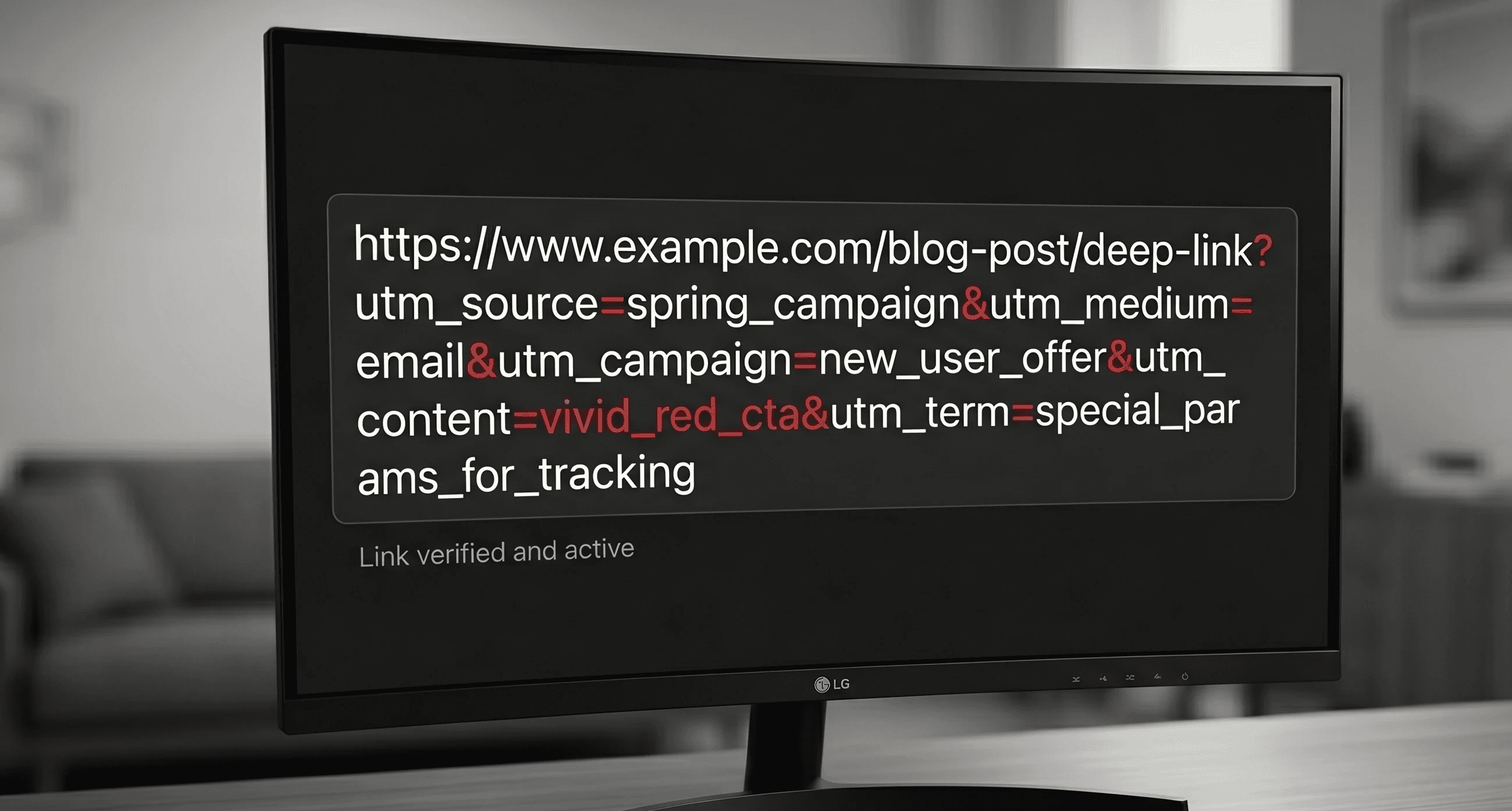
The technical name for this is structured data. The most common format is called JSON-LD, and it's a small block of code that gets added to the head of your website. If you've ever used a plugin like Rank Math or Yoast on WordPress, those tools are generating basic schema markup for you automatically.
Why Schema Suddenly Matters More
For years, schema markup was mainly valued for one thing. It could trigger rich results in Google, things like star ratings, FAQ dropdowns, and product prices that made your listing stand out. Those benefits still exist, and pages with rich results see click-through rates that are 20 to 40 percent higher than standard listings.
But the bigger shift in 2026 is AI search. Tools like Google's AI Overviews, ChatGPT search, and Perplexity rely heavily on structured data to understand and cite content. Recent analysis found that 65 percent of pages cited by Google's AI Mode and 71 percent of pages cited by ChatGPT include structured data. If you want your business to show up when someone asks an AI tool for a recommendation, schema is the foundation that makes that possible.
This is the difference between being found and being forgotten in the new search landscape.
What Schema Does for Your Business
Three things, mostly.
It makes your search listings stand out. Stars, prices, FAQs, business hours, and other rich result features take up more space on the search page and pull more clicks. That's a direct lift to your traffic without changing your rankings.
It feeds the AI tools accurate information. When a customer asks ChatGPT or Google's AI Overview for a recommendation in your industry, the tools that have clean, well-structured data about your business are the ones that get cited. The tools that don't get skipped.
It builds your entity in the Knowledge Graph. Google's Knowledge Graph is essentially a giant database of verified facts about businesses, people, and places. Schema is how your business gets into that database and stays there. The more complete your schema, the more authoritative your business looks to Google.
What Every Small Business Should Have
You don't need every type of schema. Most small businesses only need a handful, and getting these set up correctly puts you ahead of most of your competition.
Organization schema. This goes on your homepage and tells search engines who you are, what you do, where to find you, and what your social profiles are. It's the foundation of everything else.
Local Business schema. If you have a physical location or serve a specific geographic area, this is non-negotiable. It feeds your address, hours, phone number, and service area to Google in a way it can use for local search and Maps.
BlogPosting or Article schema. Every blog post on your site should have this. It tells search engines who wrote the post, when it was published, what it's about, and what image goes with it.
FAQ schema. If your services pages or blog posts have a frequently asked questions section, marking those up with FAQ schema can earn you expanded listings in search results that take up significantly more space.
Review or AggregateRating schema. If you have customer reviews on your site, schema lets you display the star rating directly in search results. This is one of the highest impact rich results you can earn.
That's it for most small businesses. Five types of schema, set up once, that quietly do their job in the background forever.
How to Actually Get It Set Up
If you're on WordPress, plugins like Rank Math and Yoast handle the basics for you. They auto-generate Organization, Article, and Local Business schema with minimal configuration. Yoast and Rank Math both have free versions that cover what most small businesses need.
If you're on Squarespace, Wix, or Shopify, basic schema is built in but limited. You can usually add more advanced types through custom code or third-party apps.
If you're on a custom-built site or a platform like Framer or Webflow, schema needs to be added manually as JSON-LD code blocks. This is where a lot of small businesses get stuck, because the code has to be written correctly, validated, and placed in the right spot.
Once schema is in place, run your URLs through Google's Rich Results Test and the Schema Markup Validator. Both are free. Both will tell you whether your schema is correct, what rich results it's eligible for, and what's missing.
What Happens If You Skip It
Nothing, in the short term. Your site will keep working. Customers will keep finding you. Schema isn't a direct ranking factor, so you won't drop in search overnight.
But over the next few years, the gap between businesses that have implemented schema correctly and those that haven't is going to keep widening. AI Overviews will keep expanding. ChatGPT and Perplexity will keep growing as ways people search. Voice assistants will keep relying more heavily on structured data. The businesses that fed the machines what they need will be the ones getting recommended. The ones that didn't will be invisible.
You don't need to panic, but you also shouldn't wait. Schema markup is one of the highest leverage technical SEO investments a small business can make right now, and most of your competitors haven't done it yet.
The Bottom Line
Schema markup is how your business introduces itself to search engines and AI tools in a language they can actually understand. In 2026, that introduction matters more than it ever has. Five types of schema, set up correctly once, will keep paying you back for years.
If you're not sure what your site has now, run it through Google's Rich Results Test and see what shows up. If the answer is nothing, that's your starting point.
AdVantage Marketing helps small businesses in Utah and Idaho get the technical SEO basics right, including schema markup that makes search engines and AI tools take you seriously. [Let's take a look at your site.]